
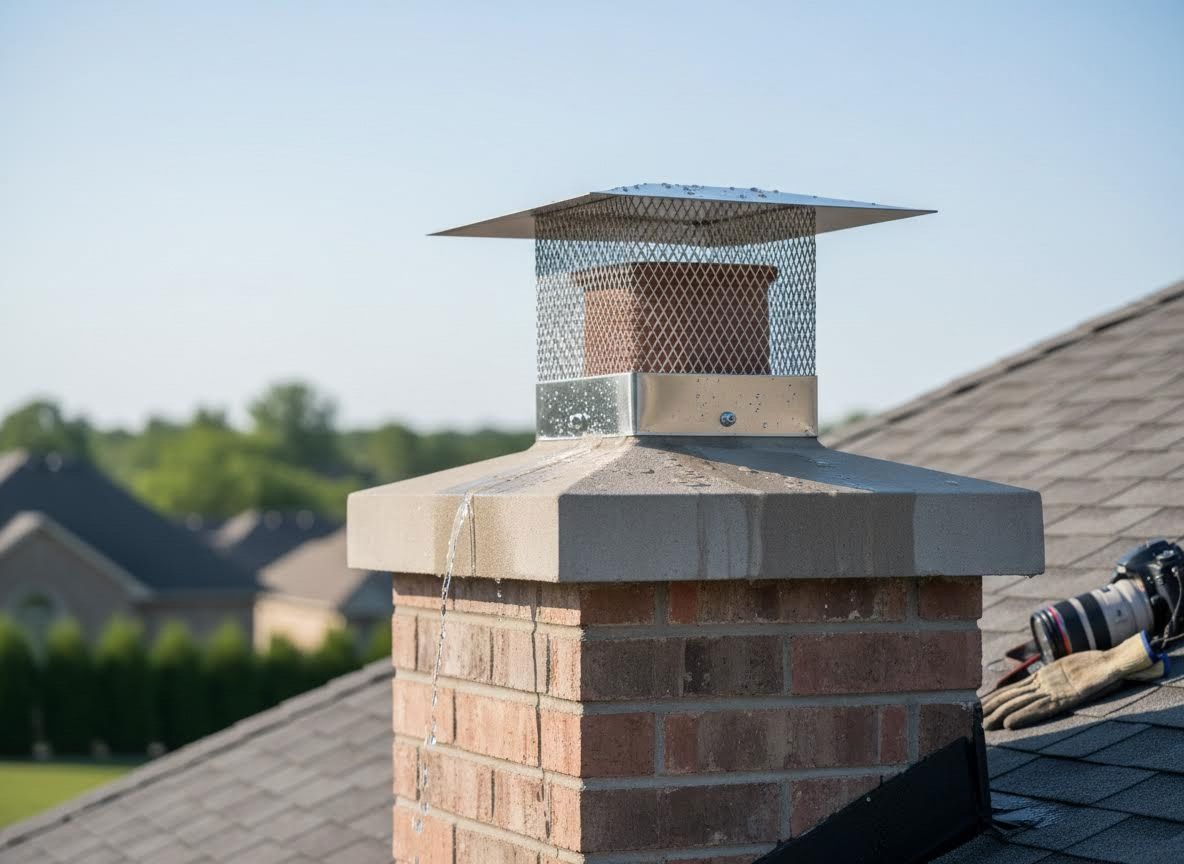
When it comes to safeguarding your home, often the most crucial defenses are the ones you rarely think about. Your chimney, a prominent feature of your roofline, is constantly exposed to the elements, making its protective components incredibly important. Among these, chimney caps and crowns stand as your chimney's first line of defense against the persistent threat of water damage, a problem that can lead to costly repairs if left unaddressed. At A1 Carolina Chimney Masters, we understand the critical role these elements play in maintaining the integrity and safety of your home.
The Unsung Hero: Your Chimney Cap
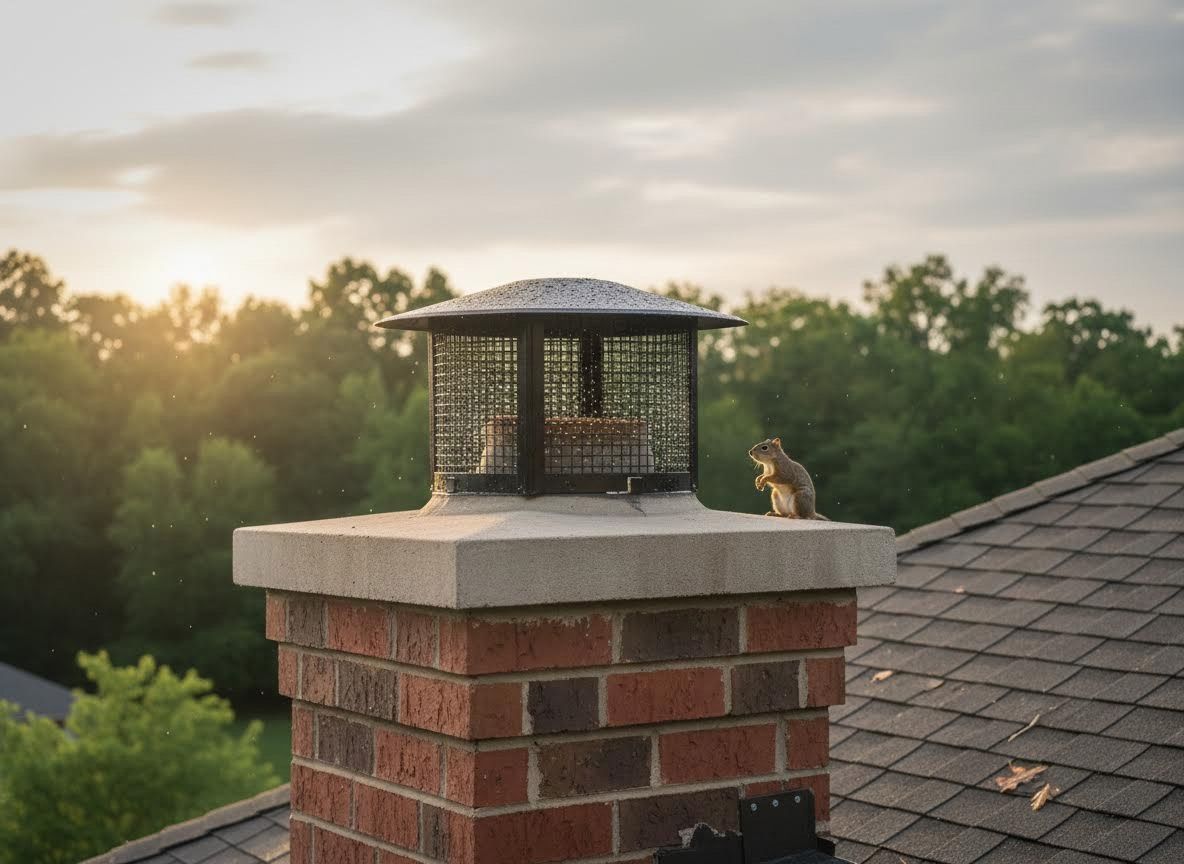
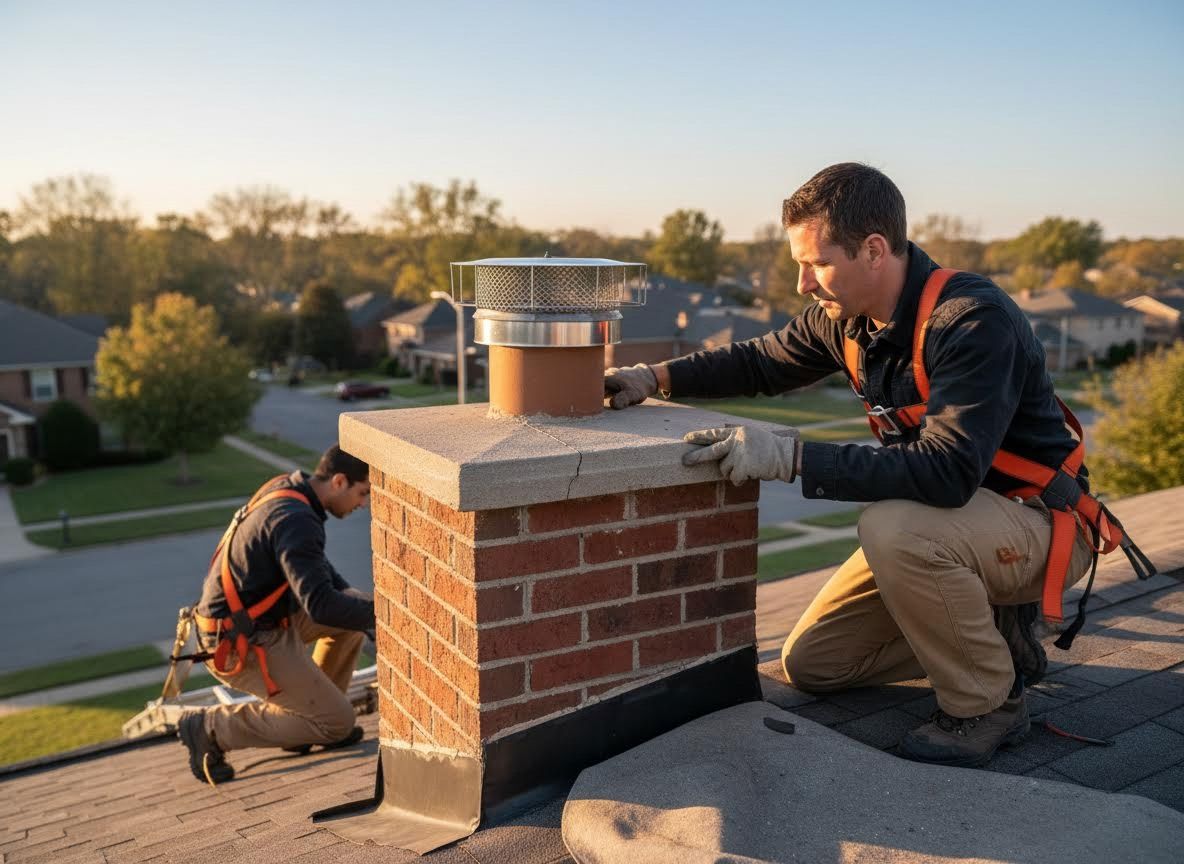
Often overlooked, the chimney cap is a vital component installed at the very top of your chimney flue. Its primary function is to prevent rain, snow, and ice from entering the chimney. Without a proper cap, precipitation can freely flow down the flue, saturating internal components. Beyond water, a cap also acts as a barrier against animals like birds, squirrels, and raccoons seeking shelter or nesting sites, and it helps to prevent debris such as leaves and branches from clogging the flue. Furthermore, many chimney caps are equipped with spark arrestors, which are wire mesh screens designed to catch embers and prevent them from escaping and potentially igniting nearby roofing or landscaping.
The Foundation of Protection: Your Chimney Crown
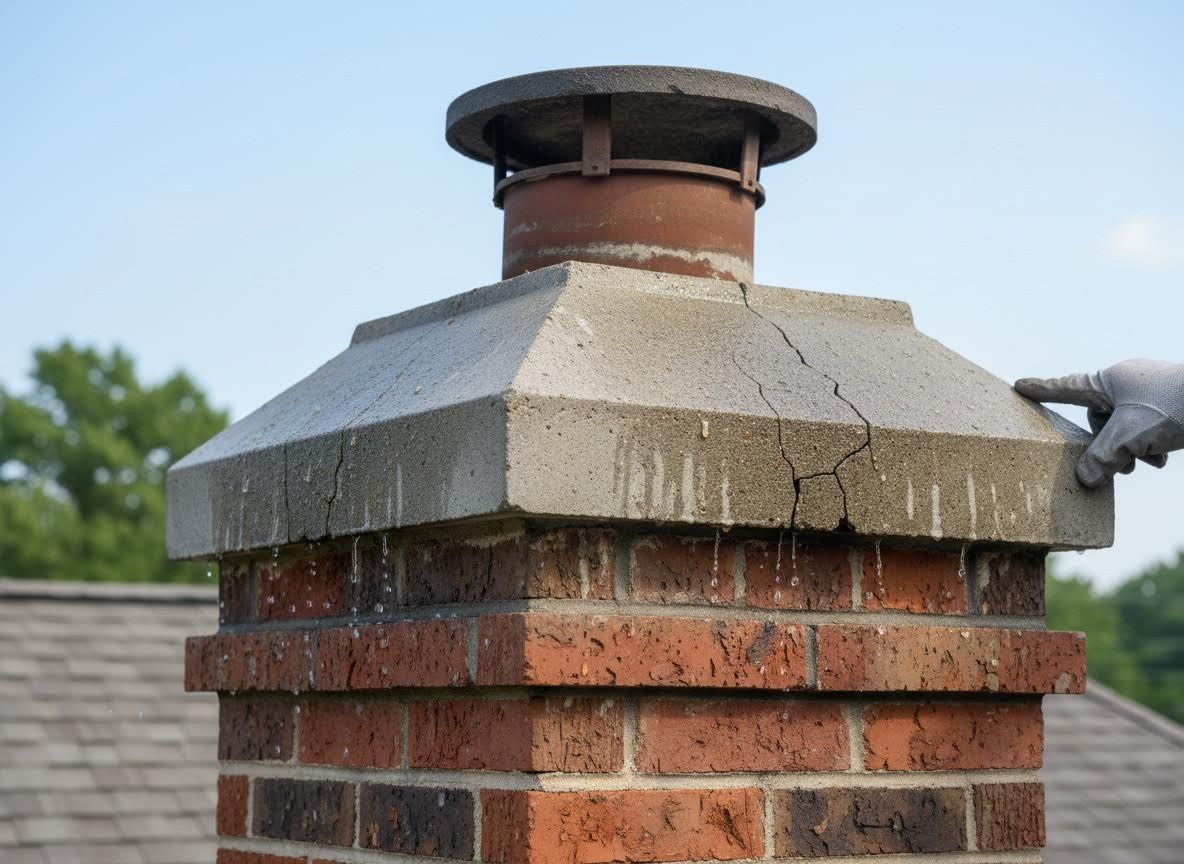
Below the cap, the chimney crown provides another critical layer of defense. This is the slab of concrete or stone that covers the top of the chimney masonry, extending slightly beyond the chimney walls to direct water away from the structure. A well-constructed chimney crown should be sloped to ensure efficient water runoff. If a crown is cracked, deteriorated, or improperly built, it can allow water to seep into the chimney's masonry, leading to significant structural damage over time. This constant moisture exposure can cause mortar joints to crumble, bricks to spall (flake or peel), and can even compromise the flue liner.
The Perils of Water Intrusion
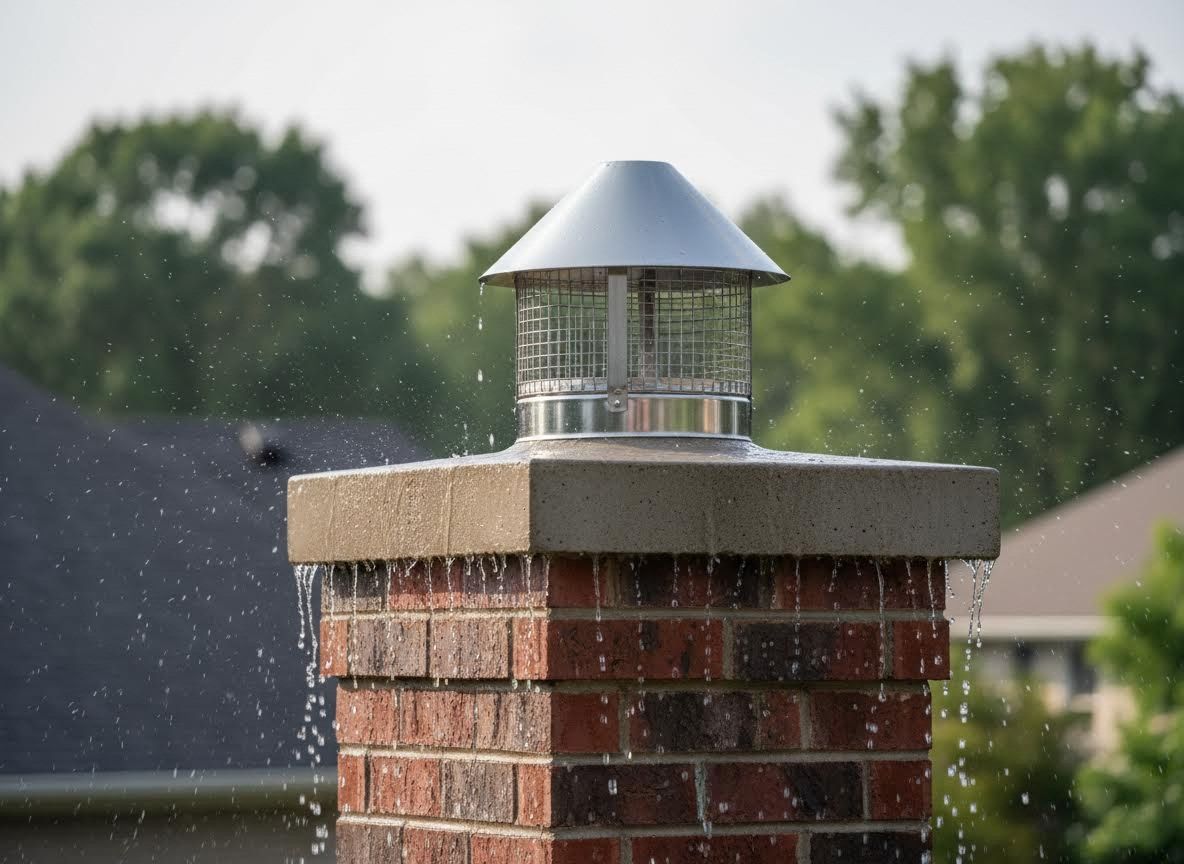
Water is arguably the biggest enemy of your chimney. When allowed to penetrate, it can cause a cascade of problems. Inside the flue, water can damage the liner, whether it's clay tile, metal, or cast-in-place, leading to cracks or deterioration that compromise its ability to safely vent smoke and gases. In the masonry, repeated freezing and thawing of absorbed water can cause bricks to crack and mortar joints to erode, weakening the entire structure. This can lead to expensive repairs or worse, create a hazard. Beyond structural issues, persistent moisture can also foster mold and mildew growth, impacting indoor air quality, and can cause rust on metal components like damper assemblies.
Regular Inspection and Maintenance for Longevity
Ensuring your chimney cap and crown are in good repair is paramount to preventing water damage and prolonging the life of your chimney. Regular inspections by qualified professionals are essential to identify any cracks in the crown, missing or damaged caps, or other potential entry points for water. These inspections often accompany a thorough chimney sweep and cleaning, allowing technicians to assess the entire system. Addressing minor issues like hairline cracks promptly can prevent them from escalating into major structural problems. Maintaining these protective elements is a proactive step in securing your home's safety and avoiding costly repairs down the line.
Your chimney's cap and crown are indispensable guardians against the elements, working tirelessly to protect your home from water damage and ensure its structural integrity. Proactive maintenance, including regular chimney cleaning and inspections, is crucial to keeping these components in top condition. For comprehensive care, from a thorough chimney cleaning service to ensuring every part of your chimney is functioning optimally, trust the experts. At A1 Carolina Chimney Masters, we are dedicated to helping you maintain a safe, clean, and healthy living environment. Consider scheduling a professional chimney inspection to assess the condition of your chimney's first line of defense.