
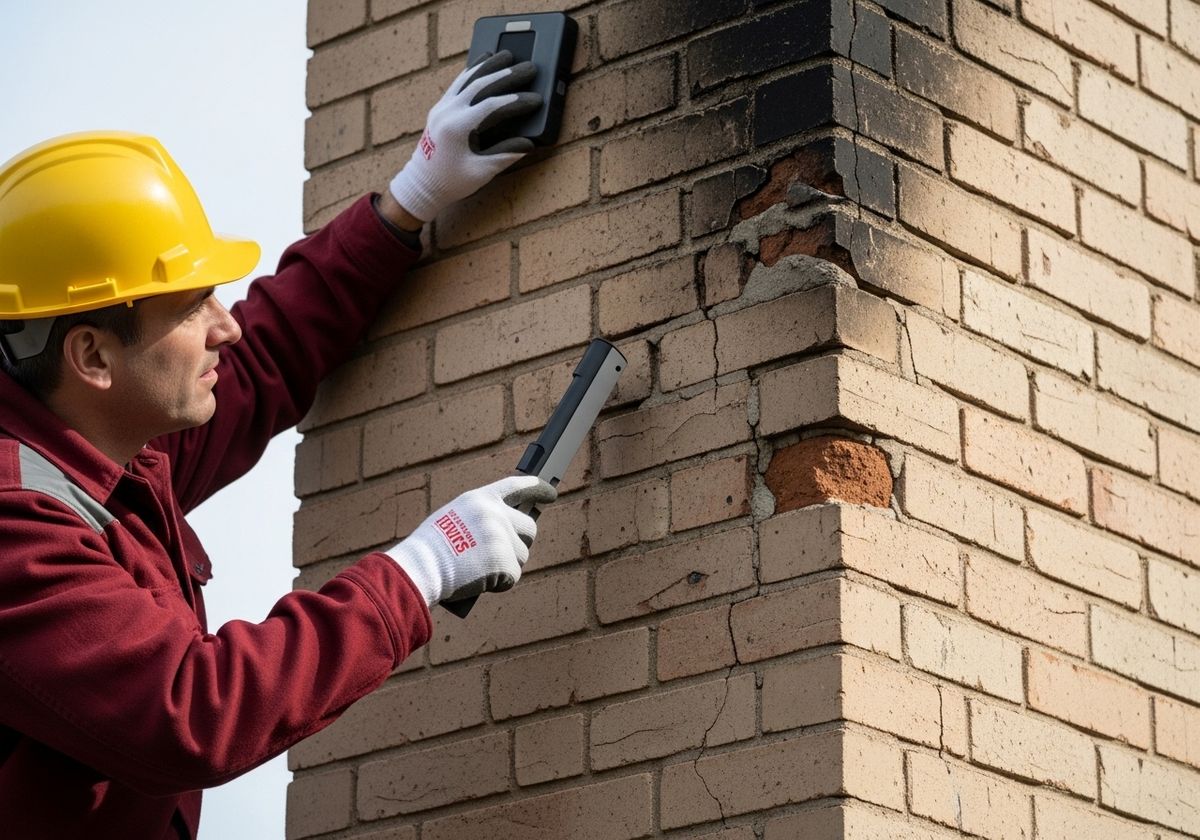
Even if you've never witnessed flames erupting from your chimney, a chimney fire might have occurred without your knowledge. These fires can be deceptively quiet, leaving hidden damage that compromises the safety and efficiency of your chimney. Recognizing the signs of a past chimney fire is crucial for maintaining a safe home.
Subtle Signs of Chimney Fire Damage
Damaged Chimney Cap: Inspect your chimney cap for signs of warping, melting, or missing pieces. The intense heat of a chimney fire can distort or even destroy the cap.
Cracked or Spalling Bricks: Look closely at the exterior of your chimney for cracked or crumbling bricks. This is known as spalling, and it's a common indicator of heat damage.
Damaged Mortar Joints: The mortar between bricks can also suffer from the extreme temperatures of a chimney fire. Check for cracks, missing chunks, or a powdery, deteriorated appearance.
Unusual Noises: If you hear rattling or other unusual noises coming from your chimney, it could be a sign of internal damage caused by a fire.
Debris Around the Base: After a chimney fire, you might find an unusual amount of debris, such as soot, ash, or broken pieces of flue tiles, around the base of your chimney.
Smoke Odor: A persistent smoky odor in your home, even when the fireplace isn't in use, could indicate damage to the chimney that's allowing smoke to seep through.
Damaged Flue Tiles: One of the most important parts of the chimney is the flue. If the flue tiles are cracked or missing, the chimney is unsafe to use.
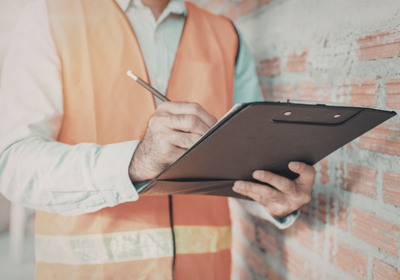
Why Early Detection Matters
Ignoring hidden chimney fire damage can lead to serious consequences. A weakened chimney is more susceptible to further damage from weather and use. Cracks and gaps can allow dangerous gases like carbon monoxide to leak into your home. In severe cases, a compromised chimney can even pose a fire hazard to the structure of your house.
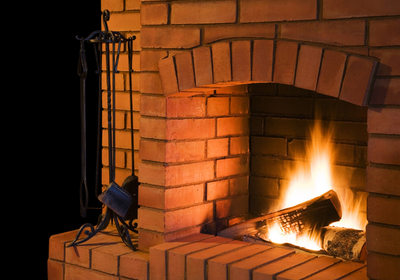
Preventing Chimney Fires
The best way to avoid hidden chimney fire damage is to prevent chimney fires in the first place. Regular chimney sweep and cleaning is essential to remove creosote, a highly flammable byproduct of burning wood.
Additionally, be mindful of the type of wood you burn. Seasoned hardwoods are ideal, while burning wet or green wood produces more smoke and creosote.
Recognizing the signs of chimney fire damage is paramount for maintaining a safe and efficient home. Addressing these issues promptly can prevent further damage and ensure the well-being of your family. At A1 Carolina Chimney Masters & Pressure Washing, we understand the importance of a safe chimney. With our chimney sweep and cleaning services, we thoroughly remove hazardous creosote buildup, reducing the risk of chimney fires. We also offer comprehensive inspections to identify any existing damage, including that from hidden chimney fires, ensuring your chimney is in top condition. Contact us today for an inspection or to schedule your next chimney cleaning!