
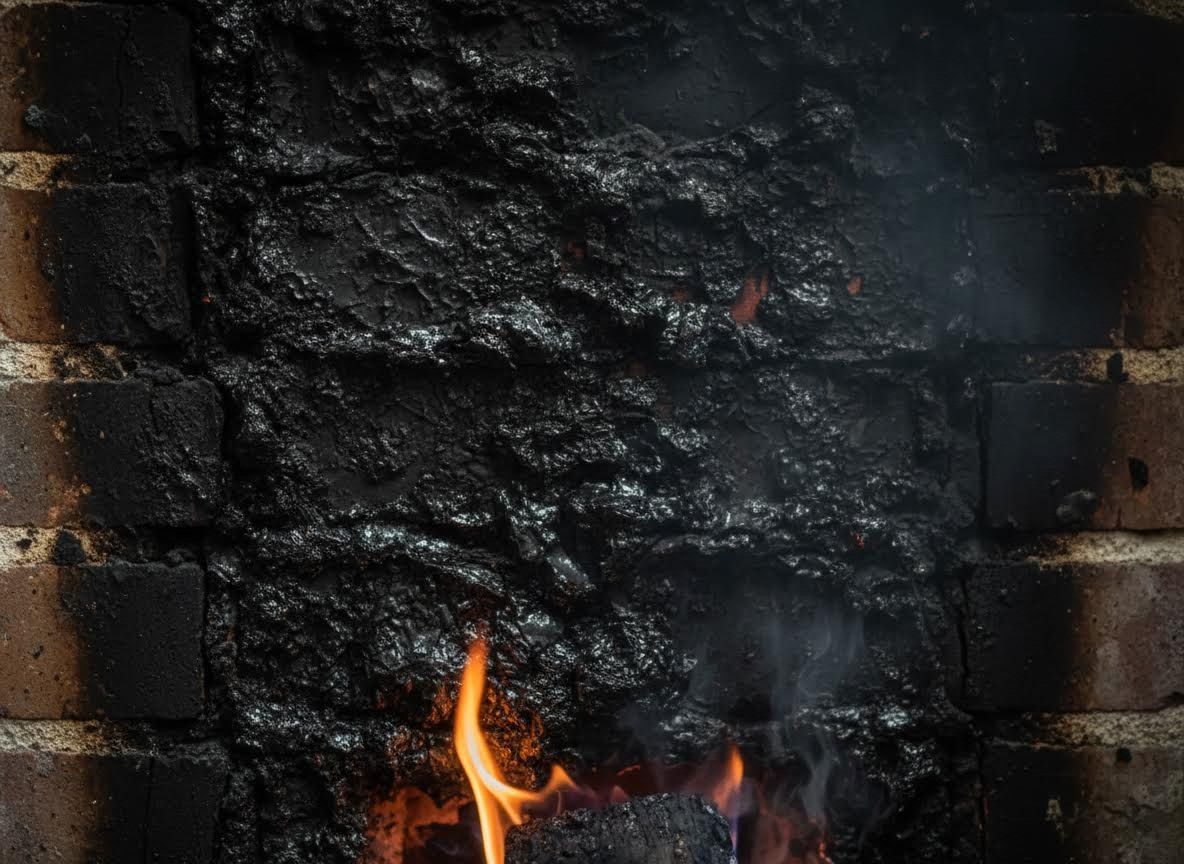
Creosote: it's a word many homeowners hear, but few truly understand its implications. This tar-like residue forms in your chimney, posing a silent and serious threat to your home and family. Understanding what creosote is and why it accumulates is crucial for maintaining a safe living environment, and that's where A1 Carolina Chimney Masters steps in to help.
What Exactly is Creosote?
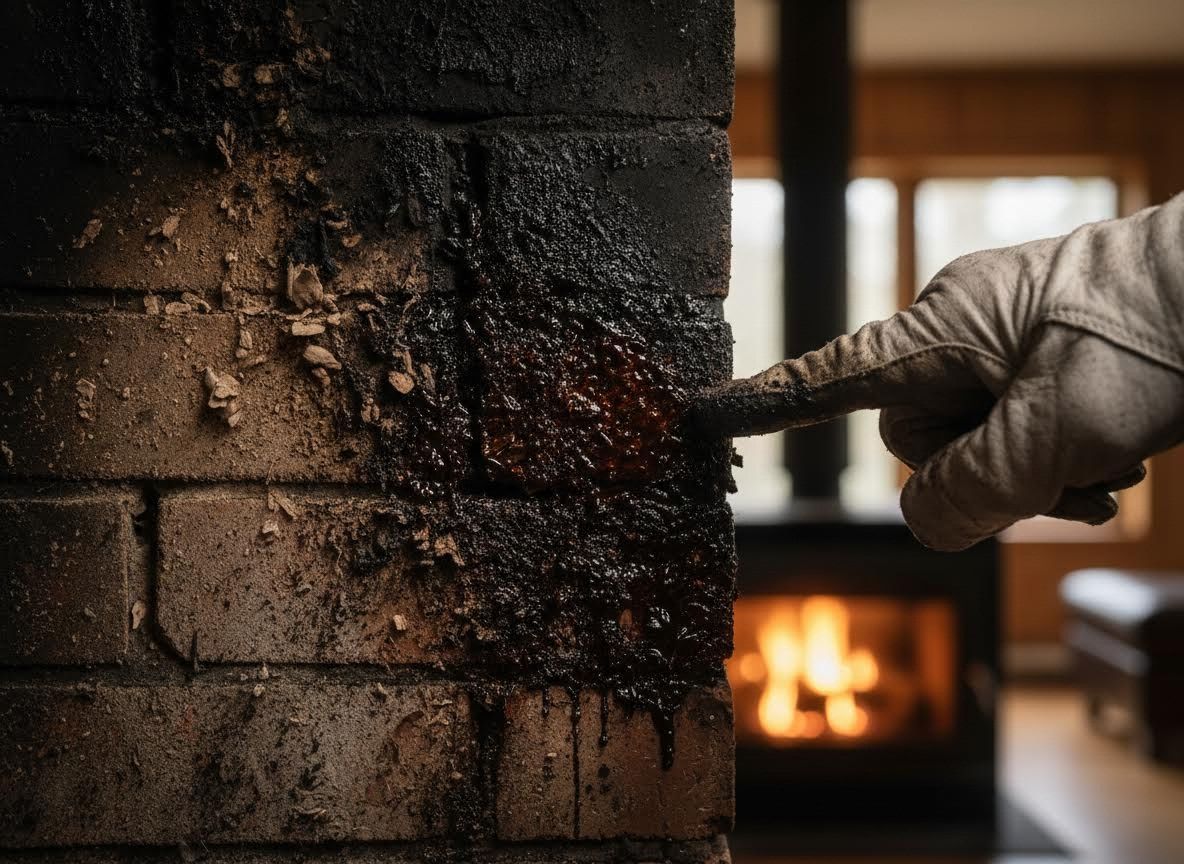
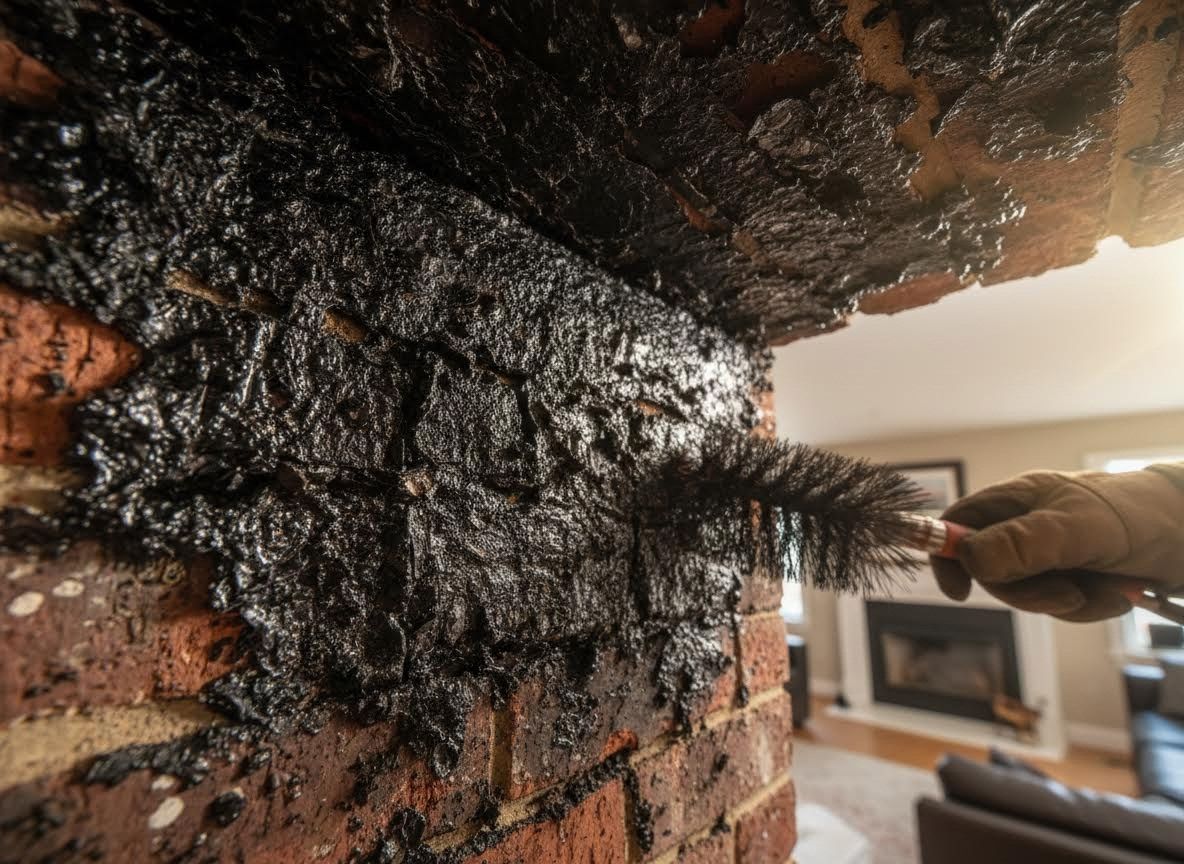
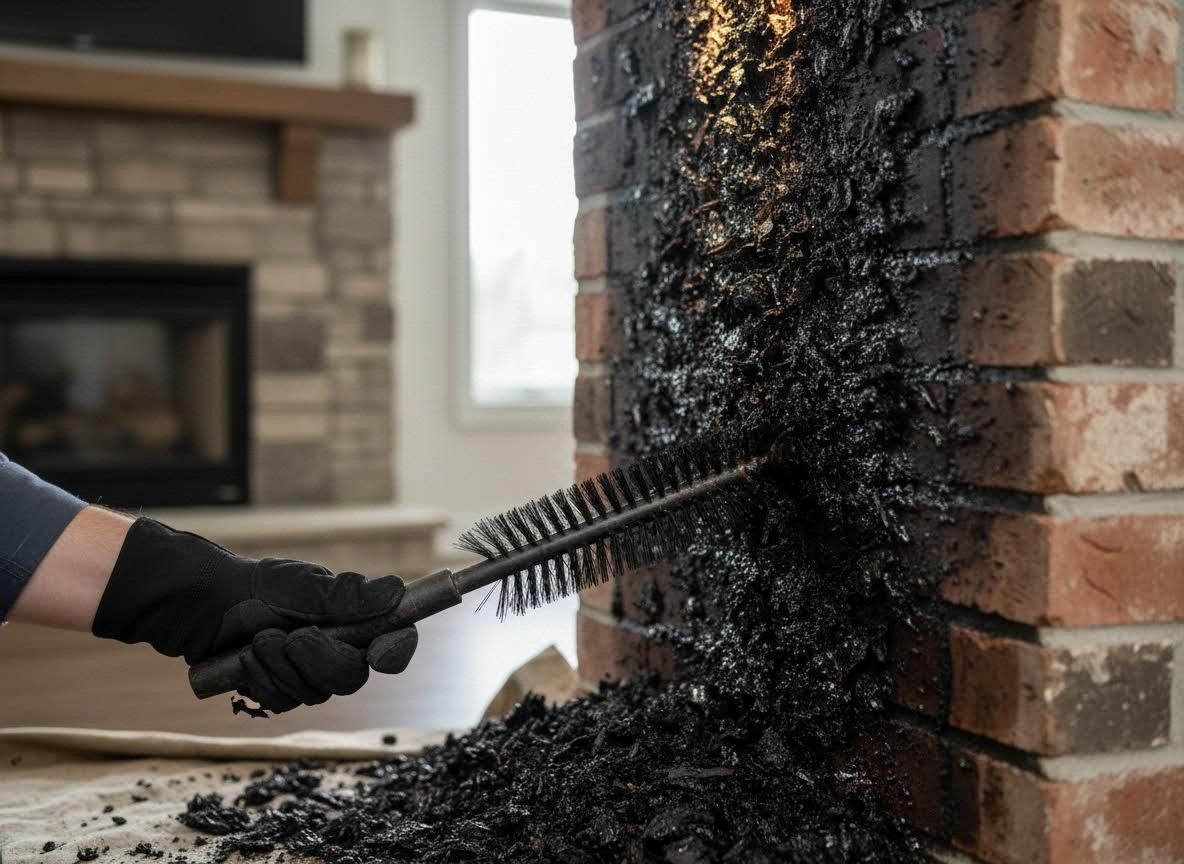
Creosote is a highly flammable byproduct of burning wood, particularly when combustion is incomplete. When wood burns, it releases smoke that contains unburnt wood particles, gases, moisture, and various chemicals. As this smoke travels up your chimney, it cools. When the smoke cools below 250 degrees Fahrenheit, these unburnt components condense and stick to the inner walls of your chimney flue, forming creosote. It can appear in different forms, from a flaky, sooty deposit to a hard, shiny, tar-like glaze, with the latter being the most dangerous.
Why is Creosote Dangerous?
The primary danger of creosote lies in its flammability. As creosote builds up, it becomes an increasingly potent fuel for a chimney fire. A chimney fire can reach incredibly high temperatures, often over 2000 degrees Fahrenheit, which can crack chimney liners, damage the chimney structure, and even spread to the rest of your home. Beyond the immediate fire risk, a damaged flue can allow dangerous carbon monoxide gas to leak into your living space, posing a silent and deadly threat to your family's health. Regular chimney sweep and cleaning is not just about aesthetics; it's about life safety.
How Does Creosote Accumulate?
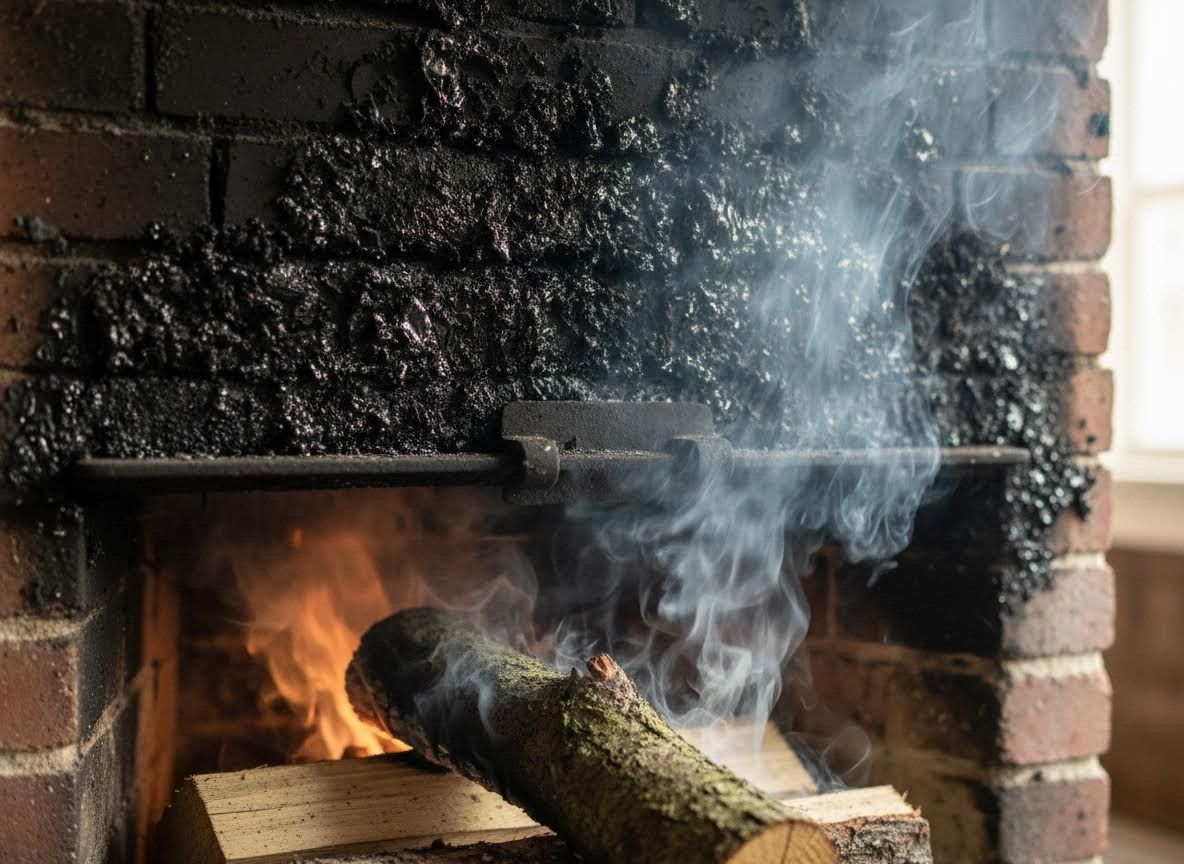
Several factors contribute to creosote buildup. Burning unseasoned (wet) wood is a major culprit, as it produces more smoke and burns at a lower temperature, leading to greater condensation. Restricted airflow in your chimney, often due to a closed damper or an undersized flue, also prevents smoke from exiting quickly, allowing more time for condensation. Improper burning techniques, such as smothering a fire or letting it smolder, also contribute significantly. Even the type of wood you burn can play a role, with softwoods like pine tending to produce more creosote than hardwoods.
Preventing Buildup and Professional Intervention
While using dry, seasoned wood and ensuring good airflow can help mitigate creosote formation, it's nearly impossible to prevent it entirely. That's why professional intervention is essential. Regular chimney cleaning removes creosote deposits before they become dangerous. A professional chimney cleaning service can identify potential issues, such as cracks in the flue or blockages, ensuring your chimney is not only clean but also structurally sound. They have the right tools and expertise to safely and effectively remove even the toughest creosote.
Understanding the silent danger of creosote is the first step towards a safer home. This byproduct of wood burning poses significant fire and health risks if left unchecked. By recognizing the importance of proper burning habits and, most critically, scheduling regular maintenance, homeowners can protect their families and property. If you have concerns about your chimney's safety, contact A1 Carolina Chimney Masters to learn more about professional services that can provide thorough inspections and chimney cleaning to maintain a safe and healthy living environment.